Published
7 minute read
If you're weighing microneedling vs chemical peels in Roswell, you're not alone. These are two of the most searched skin treatments today, and for good reason. Both deliver real results, but they work differently and suit different skin concerns. This guide breaks down exactly what each does, who it's best for, and how to choose.
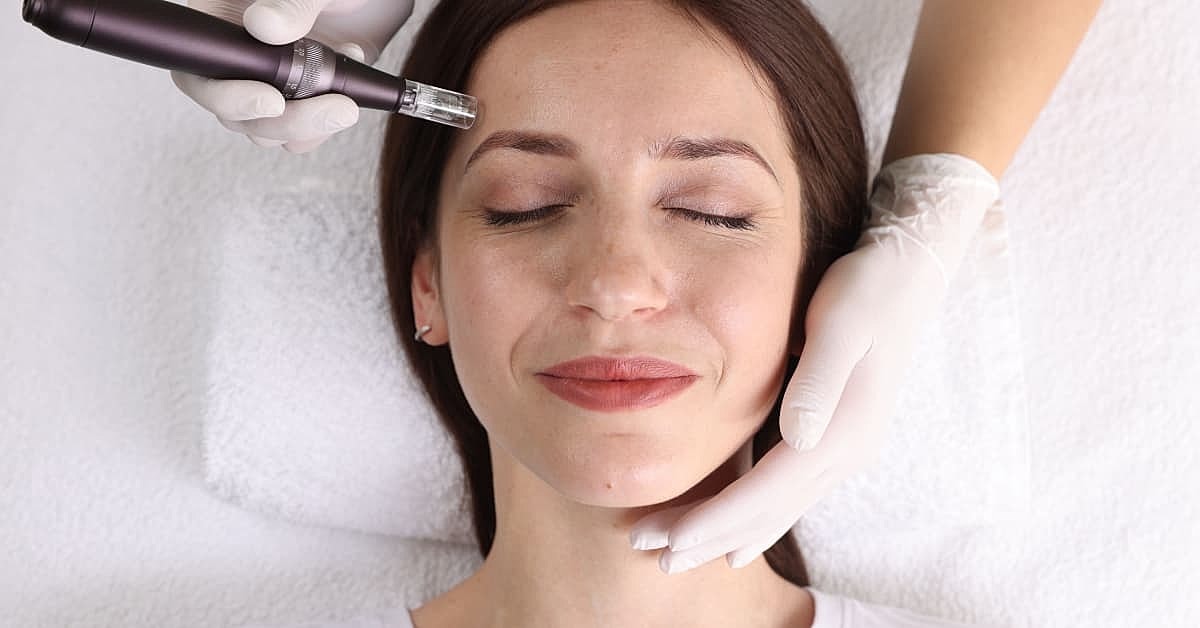
Microneedling uses tiny needles to create controlled micro-injuries in the skin, prompting the body's natural healing process to generate new collagen and elastin. Chemical peels apply a chemical solution to remove damaged outer layers and reveal newer, smoother skin underneath. The core difference: microneedling repairs from the inside out, while peels resurface from the outside in.
Both treatments improve texture, tone, and the overall appearance of aging skin, but they excel in different areas. For skin texture and collagen-related concerns, microneedling consistently outperforms. It rebuilds the skin's structure over multiple treatments and is particularly effective for sagging skin, enlarged pores, and skin laxity.
Chemical peels deliver more immediate visible results for pigmentation. If surface pigmentation, post-inflammatory hyperpigmentation, or an uneven skin tone is your main concern, peels often show faster improvement in fewer sessions.
For fine lines and moderate wrinkles, both can help, but medium peels tend to produce quicker visible change, while microneedling produces more lasting structural improvement.
When treating acne scars, the type of scar matters. Microneedling is the stronger option for atrophic (depressed) scars because it can penetrate deeper and stimulate collagen production where the skin has lost volume.
Chemical peels work better for surface scars and post-inflammatory hyperpigmentation left behind by active acne. Light peels and medium peels are particularly effective at smoothing out discoloration and improving overall skin texture after breakouts.
If you're dealing with deep pitting or textural scarring, microneedling is usually the preferred starting point. For flatter, pigmented acne marks, a series of medium peels may deliver cleaner results faster.
Chemical peel treatments are highly effective for sun damage at the surface level. They remove damaged outer layers and lighten surface pigmentation caused by prolonged sun exposure, making them a go-to for uneven skin tone and rough texture from UV exposure.
Microneedling, on the other hand, addresses the collagen breakdown that occurs with long-term sun exposure. It's better suited for clients in Roswell, GA dealing with combined concerns, such as texture loss, mild sagging, and early wrinkling alongside sun damage.
For clients with both pigmentation and structural concerns from sun exposure, a combination approach often works best, with treatments carefully spaced out.
Here's a quick guide to help match your concern to the right treatment:
Microneedling side effects are typically mild: mild redness, minor swelling, and sensitivity for 24 to 48 hours. Deep peels carry more downtime, sometimes up to two weeks of peeling and sensitivity, while superficial peels may cause only light flaking.
Both treatments require strict sun protection during healing. Avoid direct sun exposure, use a broad-spectrum SPF daily, and follow your provider's aftercare instructions carefully. Gentle skincare and hydration are non-negotiable post-treatment.
Most clients see optimal results from microneedling after three to six sessions, spaced four to six weeks apart. Collagen remodeling continues for months after the final session, so patience pays off.
Chemical peels depend on the depth selected. A series of superficial peels may be scheduled monthly, while medium peels are typically done every three to six months. Maintenance treatments keep results consistent once your skin goals are met.
For clients with multiple skin concerns, combining treatments is often the most strategic approach. A common sequence is to complete a peel series first to address surface pigmentation, then follow with professional microneedling treatments to rebuild texture and stimulate collagen production at a deeper level.
The key is spacing. Never schedule both treatments back-to-back, as the overlapping downtime can stress the skin and slow healing. Most providers recommend waiting at least four weeks between treatments.
When done correctly, combining treatments allows each one to do what it does best, resulting in improved texture, even-toned skin, and a more youthful appearance overall.
Before booking either treatment in Roswell, GA, come prepared:
A thorough pre-treatment consultation is what separates a safe, effective outcome from a preventable complication.
Most clients describe microneedling as uncomfortable rather than painful. A topical numbing cream is applied 20 to 30 minutes before the procedure, which significantly reduces sensation. Sensitivity varies by area; thinner skin near the forehead or around the eyes tends to be more sensitive than the cheeks.
Yes. Microneedling is generally well-tolerated across darker skin tones because it doesn't use heat or harsh chemicals that can trigger pigment changes. Certain chemical peels, however, carry a higher risk of post-inflammatory hyperpigmentation in darker skin. If you have a medium to deep complexion, always confirm that your provider has experience with your skin tone before proceeding with any peel.
Most providers advise against chemical peel treatments during pregnancy and breastfeeding, particularly anything beyond a very light superficial peel. Ingredients like salicylic acid at higher concentrations and some other peel acids are generally not recommended during this time. Always disclose your situation during your consultation so your provider can recommend safe alternatives.
It's typically recommended to wait a minimum of four weeks after a chemical peel before scheduling microneedling. This allows the skin to fully heal and avoids the risk of compounding irritation or compromising the skin's barrier. Your provider may recommend a longer gap depending on the depth of your peel and how your skin responds.
Clients dealing with both pigmentation and textural issues, such as acne scars alongside uneven skin tone or sun damage alongside fine lines, tend to see the strongest results from a combined approach. Chemical peels clear the surface concerns first, and then microneedling rebuilds collagen and improves the skin's structure at a deeper level. A structured treatment plan with proper spacing between sessions makes this combination safe and effective.
At Ageless Remedies of Roswell, our team takes a personalized approach to every skin concern, whether you're targeting acne scars, sun damage, or just want smoother, firmer skin. Our providers are experienced across both microneedling and chemical peel treatments, with the knowledge to recommend what your skin actually needs rather than a one-size-fits-all plan.
Call (770) 587-0101 to schedule your consultation in Roswell, GA, and get a clear, honest assessment of which treatment or combination will get you to your goals.