Published
8 minute read
If you've been staring at stubborn dark spots in the mirror and wondering whether a chemical peel could actually make a difference, you're asking the right question. Chemical peels for dark spots are one of the most effective in-office treatments available today, and for good reason. When a skilled provider selects the right peel depth and formulation for your skin, the treatment works with your body's natural renewal process to break down excess melanin, shed damaged skin layers, and reveal fresher, more evenly toned skin underneath. Whether you're dealing with sunspots, post-acne marks, or patches of uneven skin tone that just won't budge with over-the-counter products, a professionally targeted chemical peel may be the reset your skin needs.
This article walks you through everything worth knowing, from what causes dark spots in the first place to choosing the right peel, what to expect during recovery, and how to keep results lasting.
Dark spots, sometimes called age spots, sun spots, or hyperpigmentation, are flat areas of skin that appear darker than the surrounding skin. They happen when melanin, the pigment that gives skin its color, gets produced in excess and clusters in certain areas.
Sun exposure is one of the biggest culprits. Years of UV damage trigger melanin overproduction as your skin tries to protect itself, leaving behind dark patches that become more noticeable over time. Hormonal shifts, including those caused by taking birth control pills, can also play a role.
Post inflammatory hyperpigmentation is another common cause. After a breakout, cut, or any kind of skin irritation, the healing process can leave behind dark marks that linger for weeks or even months. For people with darker skin tones, these marks tend to be more visible and slower to fade on their own.
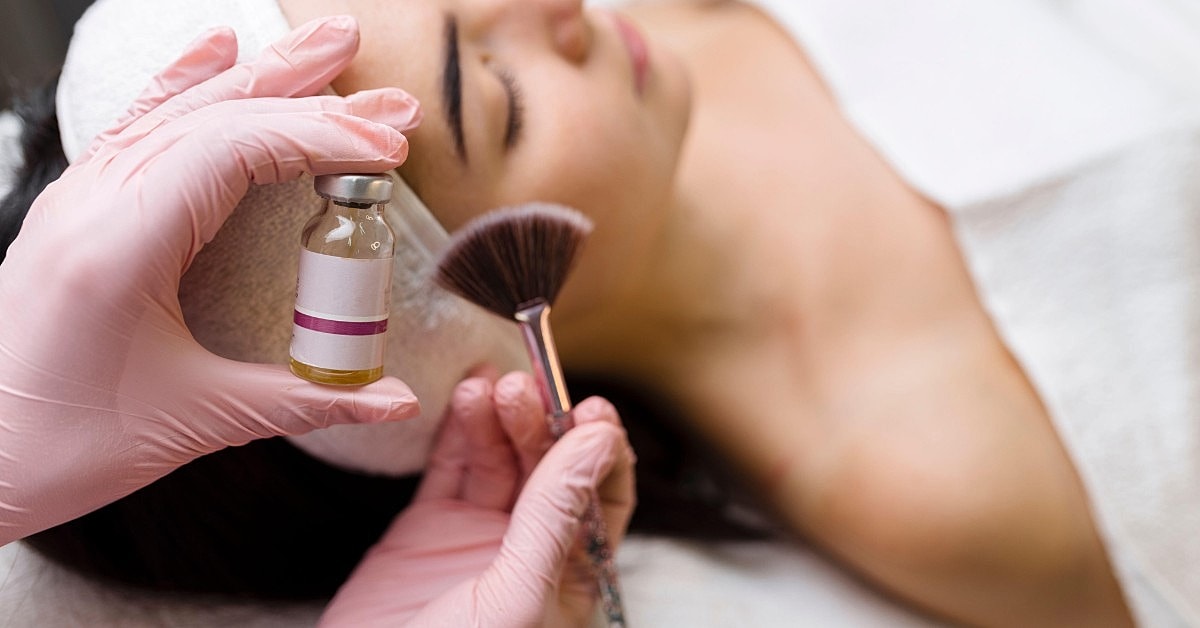
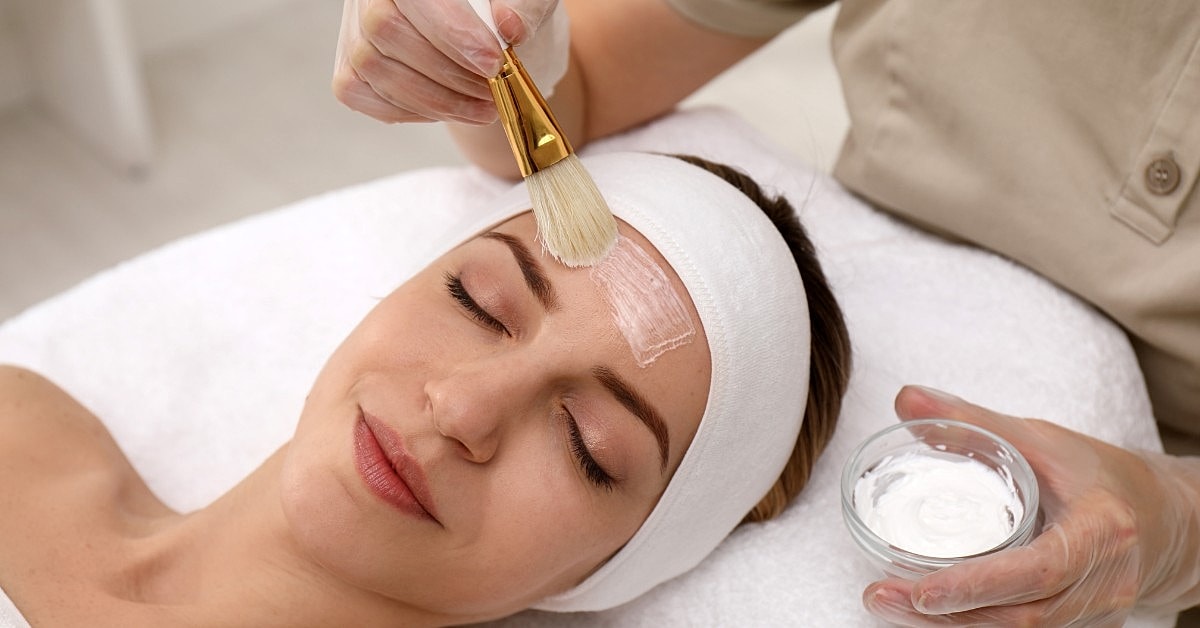
A chemical peel involves applying a chemical solution directly to the skin. This solution triggers controlled exfoliation, meaning it loosens and lifts away damaged skin cells in a precise, intentional way. As the treated skin peels away over the following days, newer and healthier skin is revealed underneath.
When it comes to dark spots specifically, effective treatment requires the peel to reach the layers where excess melanin has actually accumulated. A solution that only skims the surface won't break down the pigmented cells driving the discoloration. That's why peel depth matters so much — a provider needs to match the strength and formulation to where the pigment sits in your skin.
Over a professionally guided treatment plan, this cycle of removing damaged skin cells and promoting deeper cell turnover leads to a visible reduction in dark spots. The result is smoother, clearer skin with a more balanced skin tone.
The VI Peel is a medium-depth chemical peel that penetrates the top layer of skin and reaches into the deeper dermis to exfoliate from the inside out. It uses a potent blend of ingredients to break down excess melanin and promote new cell growth, and that deeper reach is exactly what makes it effective for fading dark spots, sun damage, and uneven skin tone. A surface-level peel can't access the pigmented cells sitting in these lower layers, which is why medium-depth options like the VI Peel deliver results that lighter treatments simply can't.
What makes the VI Peel stand out is its versatility. It's powerful enough to deliver real results for discoloration and acne scars, yet gentle enough for all skin tones, and can even be used on areas like the eyelids, hands, neck, chest, and back. At our med spa in Roswell, it's one of our most popular treatments for clients looking to achieve smoother, brighter skin without the extended downtime of a deep chemical peel.
A VI Peel treatment takes about 30 minutes in office. You'll wear the peel for 4–6 hours before washing it off at home, and most clients start to see results within about three days as the outer layer of skin peels away to reveal fresher, more evenly toned skin underneath.
Glycolic acid peels are a type of superficial peel, meaning they work on the outermost layer of skin rather than penetrating into the deeper layers where dark spot pigmentation typically lives. That makes them a useful complement to a dark spot treatment plan, but not the primary tool for correcting hyperpigmentation on their own.
Where glycolic acid peels shine is in improving overall skin texture, boosting cell turnover, and enhancing the skin's ability to absorb other active ingredients. Your skincare professional may recommend them as a preparatory step before a medium-depth peel or as part of a maintenance routine between deeper treatments. They're well-suited for most skin types, though your provider will consider your skin color and sensitivity before choosing a concentration.
Think of glycolic acid peels as supporting players: they help create the conditions for better results, but the heavy lifting for actual dark spot correction comes from peels with the depth and strength to reach the melanin deposits driving the discoloration.
The right peel depends on several factors: where the pigment sits in your skin, the depth and severity of your dark spots, your skin tone, your tolerance for downtime, and whether this is your first treatment or part of an ongoing plan. A qualified skincare professional will assess all of these during your consultation and select a peel with the depth and formulation matched to your specific discoloration — because that clinical decision is what separates effective treatment from a surface-level approach that won't move the needle.
For clients with melanin-rich skin (Fitzpatrick IV–VI), a conservative approach usually works best. Starting with a carefully selected peel and gradually increasing intensity helps minimize the risk of triggering more darkening. Combining a peel with a topical prep regimen, like a brightening serum or prescription lightening agent, can also improve outcomes.
The goal is always to match the peel to your skin, not the other way around. What works beautifully for one person may not be the right fit for another, and that's exactly why professional guidance matters.
Results from chemical peels don't happen overnight, and understanding the timeline helps set realistic expectations.
For medium-depth peels like the VI Peel, treatments are typically spaced 3–6 months apart, allowing the skin enough time to heal and regenerate fully between sessions. Most clients begin to see meaningful fading after 1–3 sessions, depending on the severity of their dark spots and how their skin responds. Deep peels are usually a one-time treatment with results that develop gradually over several months as new skin emerges.
Your provider may also incorporate lighter peels between sessions as part of a maintenance routine not to treat the dark spots directly, but to support ongoing cell turnover and keep your skin in optimal condition for each round of treatment.
And one thing that cannot be overstated: daily use of broad-spectrum SPF 30+ is essential. Sun protection is the single most important step in preventing new dark patches from forming after you've worked to fade them.
Yes. Chemical peels can significantly fade and in many cases eliminate age spots by removing damaged skin layers and promoting new cell growth. The key is working with a provider who can select the right peel depth and strength for your specific discoloration, since age spots require a targeted approach to reach the pigmented cells beneath the skin's surface.
Most clients describe feeling a tingling or burning sensation during the treatment. Superficial peels are generally very tolerable. For medium and deep peels, your provider may use a topical numbing agent or cooling fan to manage discomfort.
That depends on where the pigment sits in your skin, how your skin responds, and the type of peel your provider recommends. For medium-depth peels, many clients see meaningful improvement within 1–3 sessions spaced several months apart. Your skincare professional will assess your progress and adjust the plan as needed.
They can if you skip sun protection. Freshly peeled skin is extremely vulnerable to UV damage, and failing to wear broad-spectrum SPF 30+ daily can cause dark spots to return or intensify. Consistent sun protection is non-negotiable for lasting results.
Rebound pigmentation occurs when a peel triggers new melanin production instead of reducing it, which is more common in darker skin tones or when a peel is too aggressive. Prevention involves starting with conservative peel strengths, prepping skin with brightening topicals, and committing to daily sun protection.
If you're ready to take the next step toward brighter skin and a more even skin tone, the team at Ageless Remedies of Roswell is here to help. Call (770) 587-0101 to schedule your chemical peel consultation today. Located in Roswell, GA, our providers will create a personalized plan to help you achieve the clearer, more confident skin you've been working toward.